A garage often has to do several jobs at once. It may store vehicles, tools, sports gear, bikes, or household items while also serving as a workshop or hobby area. When planning upgrades for garage floors, it makes sense to consider how the whole room functions rather than treating the concrete as an isolated surface.
Bare concrete can gradually collect dust, tyre marks, oil spots, and other stains. It can also make an otherwise organised garage feel unfinished. A flooring upgrade can improve the space visually, but the best result comes from matching the finish to traffic, maintenance habits, and the condition of the slab.
Start With the Way the Garage Is Used
A garage used only for parking has different needs from one where tools, workbenches, gym equipment, or storage systems are used every day. Mapping those activities can help identify where the floor faces the most wear.
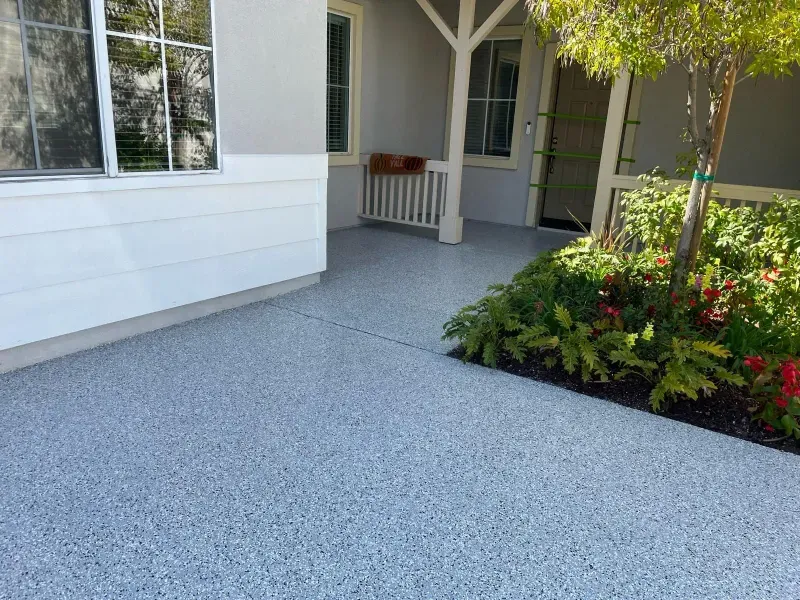
For a garage that needs a more finished surface, an epoxy floor coating can create a seamless layer over properly prepared concrete. Decorative flake systems can also add texture and visual variation while helping disguise everyday dust and minor marks.
Inspect the Concrete Before Choosing a Finish
Cracks, pitting, old paint, sealers, and oil contamination should be identified before installation begins. These conditions can affect how much grinding, cleaning, or repair work the floor needs.
Mechanical preparation is commonly used to remove weak surface material and create a suitable profile for a coating system. Once the concrete is prepared, damaged areas can be repaired before the decorative layers are applied.
Skipping this stage may save time initially, but a coating still depends on the surface underneath it for adhesion.
Think About Melbourne’s Changing Conditions
Garages can experience heat, cold, moisture, and sunlight through an open door. Vehicles may also bring in rainwater, road grit, and other debris during wet weather.
These conditions should influence the complete flooring system, especially the topcoat. Polyaspartic finishes are often used in garage systems where faster curing and UV stability are useful, while epoxy may serve as part of the base system.
The exact combination should follow product specifications and the conditions of the individual project rather than relying on one material label.
Choose Texture With Cleaning in Mind
Added traction can be useful near garage entrances or in spaces that occasionally become wet. However, an extremely rough surface can trap more dirt and make routine cleaning harder.
The right texture depends on how the garage is used. A home gym, detailing area, workshop, and simple parking space may each benefit from a slightly different balance between grip and cleanability.
This is easier to decide before installation, when broadcast media and topcoat texture can still be adjusted.
Coordinate Flooring With Storage
Cabinets, shelving, wall storage, and workbenches can change how much of the floor remains visible and how people move through the garage. Planning these elements together helps create a more intentional layout.
Permanent storage should usually be considered before work begins so installers have clear access to the slab. Temporary items, vehicles, and equipment may need to be moved out during preparation and coating.
Colour selection can also work with cabinets and lighting so the finished room feels connected rather than assembled one upgrade at a time.
Allow Enough Time for Curing
A newly coated floor may look finished before it is ready for normal use. Foot traffic, heavy storage, and vehicles can have different return-to-service times.
Homeowners should follow the installer’s specific guidance and arrange temporary parking or storage if needed. Temperature and product choice can influence curing, so a timetable from another project may not apply.
Giving the surface adequate time before loading it helps protect the finish during an important stage of the installation.
Keep the Floor Easy to Maintain
Regular sweeping or vacuuming helps remove sand and grit that can act as abrasives under tyres and shoes. Spills are also easier to manage when they are cleaned promptly.
Suitable cleaning products should be used for the installed system. Strong chemicals are not automatically necessary for ordinary maintenance and may be inappropriate for some finishes.
A simple maintenance routine is more likely to be followed consistently and helps the garage continue looking organised.
Conclusion
A garage floor upgrade works best when it supports the whole room rather than simply covering concrete. Slab condition, preparation, traffic, weather exposure, texture, storage, curing, and cleaning all shape how practical the finished surface becomes.
By planning the floor around real household use, homeowners can create a garage that feels cleaner, more organised, and more adaptable. The strongest result is one that continues to make sense whether the space is used for parking, projects, storage, exercise, or a combination of several activities.