
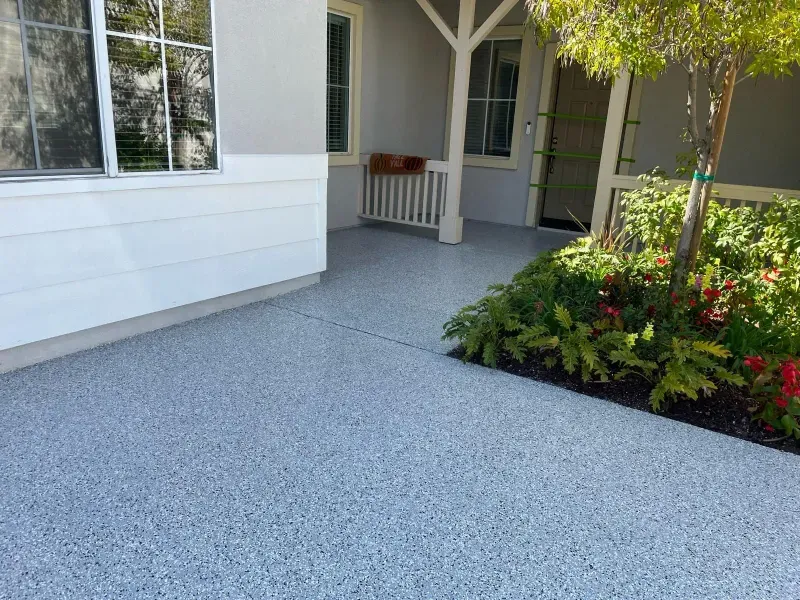
Outdoor concrete surfaces face conditions that indoor floors usually avoid. Rain, sunlight, temperature changes, dirt, moisture, and regular foot traffic can gradually affect exposed concrete. A suitable coating can improve the appearance of an exterior area while helping the surface handle everyday exposure. However, choosing the right system requires more than selecting an attractive color. The location, concrete condition, weather, traffic, safety, and maintenance needs should all be considered before installation.
Examine the Existing Concrete
The first step is checking the condition of the concrete. Look for visible cracks, chips, stains, uneven sections, surface wear, and signs of previous coatings. These conditions can influence the preparation required before a new finish is applied.
Minor imperfections may be addressed during preparation, while larger cracks or damaged sections may need proper repair. Moisture problems should also be investigated because water moving through the concrete can affect certain coating systems.
A coating is not a replacement for proper substrate preparation. The surface needs to provide a suitable foundation for the selected product and installation method.
Match the Coating to the Area
Not every exterior concrete surface has the same requirements. A covered patio may experience less exposure than an open driveway. Pool decks, walkways, outdoor kitchens, and commercial entrances can also have very different demands.
Think about how the surface will be used each day. A pedestrian walkway may mainly need durability and slip resistance, while a driveway must also handle vehicle weight and tire movement.
When comparing outdoor concrete coatings, property owners should consider these conditions rather than choosing a product based only on appearance.
Consider Sunlight and Weather
Exterior surfaces are constantly exposed to changing weather. Rain can introduce moisture, while strong sunlight and temperature changes can affect certain coating materials over time.
It is important to confirm that the selected product is designed for exterior applications. Product specifications can provide useful information about suitable temperatures, exposure conditions, curing requirements, and expected performance.
Drainage deserves attention as well. Water should have a suitable path away from the surface. If standing water is caused by poor drainage, applying a coating alone will not solve the underlying problem.
Think About Slip Resistance
Wet outdoor surfaces can become slippery, especially around pools, entrances, patios, and areas exposed to frequent rain. For these locations, slip resistance should be considered during the flooring selection process.
Some coating systems can include texture or additives that provide additional traction. The right surface profile depends on the location and expected use.
There is also a balance to consider. A highly textured surface may provide more traction but can sometimes require additional cleaning. The best finish should support both safety and practical maintenance.
Compare Appearance and Maintenance
Exterior coatings can change the appearance of plain concrete considerably. Depending on the system, property owners may have choices involving colors, gloss levels, textures, decorative patterns, and other finishes.
The surrounding property can help guide the decision. A finish that complements the building, landscaping, outdoor furniture, or architectural style can create a more coordinated appearance.
Maintenance should be considered at the same time. Different concrete coatings can have different cleaning and care requirements. Understanding these needs before installation can make it easier to select a finish that fits the property’s regular maintenance routine.
Plan the Installation Properly
Preparation is one of the most important stages of any concrete coating project. Dirt, grease, loose material, old coatings, and other contaminants can interfere with adhesion.
Depending on the surface condition, preparation may include cleaning, grinding, repairs, or other mechanical treatment. The concrete should also meet the product requirements before application begins.
Weather conditions during installation are important for exterior projects. Temperature, humidity, rain, and surface moisture can influence application and curing. Scheduling the project under suitable conditions can help support a more consistent result.
Conclusion
Choosing a suitable exterior finish requires careful attention to the surface and its surroundings. Outdoor concrete coatings can provide a practical way to improve exposed concrete, but the right system depends on weather exposure, traffic, moisture, safety, appearance, and maintenance requirements. Property owners should also compare different concrete coatings based on their intended use rather than relying only on initial appearance or cost. Proper preparation, suitable product selection, and appropriate installation conditions can help create an exterior surface that remains functional and attractive through regular outdoor use.


