A natural-looking complexion is often the goal of everyday makeup, and the right application techniques can make all the difference. Even the best foundation may appear uneven or heavy if it is not applied on a well-prepared base. By focusing on skin preparation, suitable formulas, and thoughtful blending, you can create a finish that enhances your complexion while allowing your skin’s natural texture to shine through.
Choose the Right Foundation Makeup
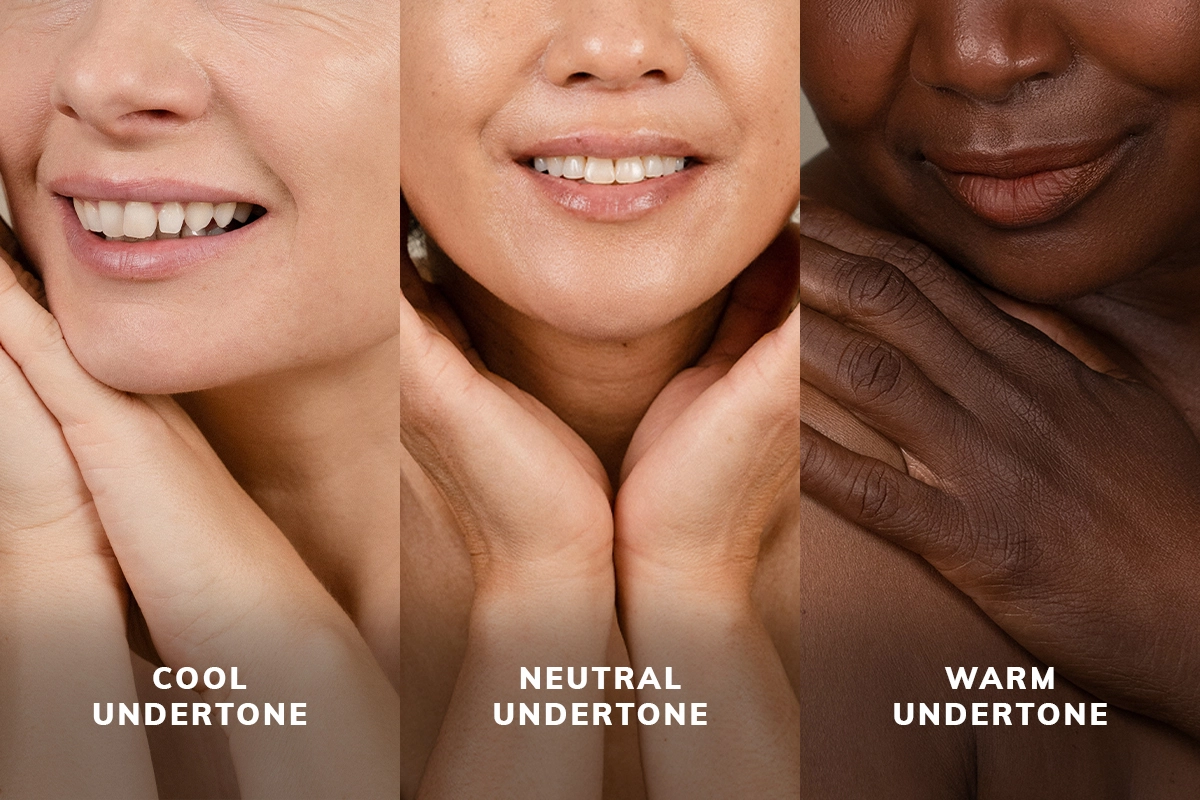
Foundation makeup is available in different formulations, finishes, and coverage levels to suit various skin types and preferences. Selecting a product that matches your skin type and undertone is the first step towards achieving a skin-like finish. Lightweight or buildable formulas often provide flexibility, allowing you to customise the level of coverage without making the complexion appear overly made up.
Start Every Makeup Routine with Skin Preparation
Makeup sits best on skin that has been properly cleansed and moisturised. Applying a suitable moisturiser helps create a smooth base, while a primer can improve the way foundation spreads across the skin. Well-prepared skin may also help the foundation wear more evenly throughout the day and reduce the appearance of dry patches or excess shine.
Apply Thin Layers Instead of One Thick Coat
One of the simplest ways to achieve a natural finish is to apply foundation gradually. Start with a small amount and build coverage only where required. Thin layers tend to blend more seamlessly into the skin, allowing your natural complexion to remain visible while evening out the overall appearance.
Blend Thoroughly
Blending plays a significant role in creating a flawless finish. Whether you use a makeup sponge, foundation brush, or clean fingertips, take time to blend around the jawline, hairline, and sides of the nose. Gentle tapping or buffing motions often help create a smoother transition between the foundation and your natural skin.
Match the Finish to Your Skin Type
Choosing the right finish can enhance the overall look of your foundation. Matte formulas are often preferred for oily skin, while radiant or hydrating finishes may suit dry skin by adding a healthy-looking glow. Combination skin can benefit from natural-finish formulas that provide balance without emphasising either dryness or shine.
Use Concealer Only Where Needed
Rather than applying a high-coverage foundation across the entire face, use concealer strategically on areas that require additional coverage. This approach helps maintain a lightweight complexion while addressing concerns such as uneven skin tone or minor blemishes. The result is often a fresher and more natural-looking finish.
Set Foundation Without Overdoing It
To make your makeup last without looking heavy, strike a simple balance: lock down key areas while keeping the rest of your skin fresh and natural. Dusting a sheer layer of translucent powder solely over oil-prone spots like your forehead, nose, and chin keeps excess shine at bay without stripping away your skin’s natural glow. Spritzing a setting spray at the end melts everything together, blurring powdery textures and leaving a smooth, seamless finish.
As you build your base routine, options like Forever 52 foundations give you plenty of room to customize, offering versatile coverage and finishes tailored to what your skin type needs most.
Conclusion
Creating foundation that looks like skin is less about applying more product and more about using the right techniques. Preparing the skin, selecting a suitable formula, blending carefully, and building coverage gradually can all contribute to a naturally polished appearance. With a consistent routine and products suited to your skin’s needs, achieving a fresh, skin-like finish can become an effortless part of your everyday makeup routine.