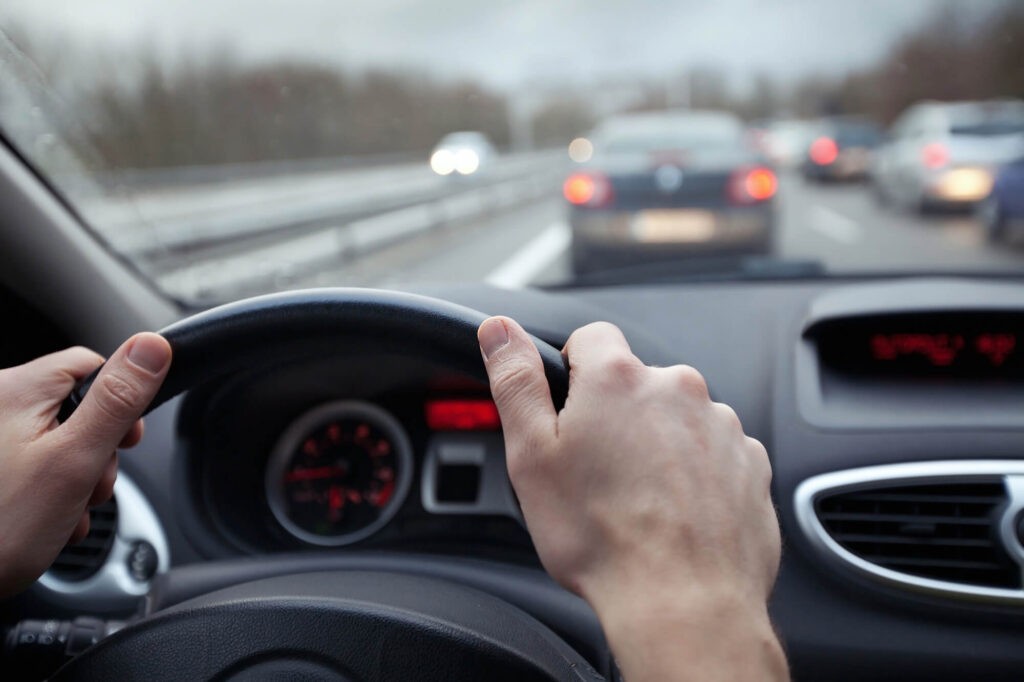
A quiet residential street can feel comfortable after a few weeks of driving practice. Speeds are manageable, traffic may be light, and there is usually enough time to think about the next move. Then the learner turns onto a busier road, and everything seems to speed up.
The steering wheel has not changed. Neither have the pedals. What changes is the amount of information arriving at once. Learning how to move calmly from one type of road to another is an important step toward independent driving.
Prepare Before Reaching the Turn
The transition starts before the car enters the busier road. Waiting until the last second to think about traffic, speed and lane position can make the turn unnecessarily difficult.
As the intersection approaches, begin observing early. Notice the traffic flow and any signs or signals that affect the move. This gives the learner time to understand the situation rather than trying to process everything while already turning.
Expect the Pace to Feel Different
On a neighborhood street, there may be plenty of time between one decision and the next. A busier road can feel less forgiving because other vehicles are moving around you more frequently.
That does not mean the learner should hurry. It means observation needs to begin sooner. Looking farther ahead helps the driver notice slowing traffic, upcoming lights, and lane changes before they become immediate problems.
Education Gives the Situation Some Context
Knowing what road signs and markings mean becomes particularly useful when the surroundings change quickly. A learner who understands the information being presented has one less thing to figure out in the moment.
Someone taking drivers ed sugar land can build knowledge that supports later practical experience. Once that information is encountered from behind the wheel, markings and signs stop being isolated study material and become part of an actual journey.
Find Your Place Without Chasing Other Cars
Learners sometimes judge their driving by whatever the vehicle ahead is doing. If that car accelerates, they feel they should accelerate. If several cars move quickly through an area, matching them can seem like the natural choice.
A better habit is to read the road for yourself. Pay attention to posted limits, traffic conditions, available space, and what is happening ahead. The nearest driver is not your instructor, and their choices should not automatically become yours.
Keep the First Attempt Simple
There is no need to combine every new challenge at once. If moving onto a busier road is unfamiliar, the first practice does not also need complicated navigation or several difficult lane changes.
Choose a suitable route and give the learner time to get used to the different pace. Once that begins to feel ordinary, more variety can be introduced. Progress does not become more valuable simply because it happens faster.
Notice the Return to Quieter Streets
Moving from a busy road back into a residential area requires adjustment too. After a faster pace, a slower route can feel strangely slow at first.
This is a useful moment to check speed and observation. Parked vehicles, driveways, pedestrians, and other local activity may now require attention. The learner needs to mentally shift with the environment rather than carrying the previous road’s pace into the next one.
Make Adaptability Part of Test Preparation
Before taking a driving test richmond tx, learners may understandably want to concentrate on specific maneuvers. Yet being able to adjust when the road changes is also part of becoming comfortable behind the wheel.
Practice should therefore involve more than repeating one familiar setting. Learning to ride on varied road types can, if appropriate to the learner’s level, illustrate whether basic behaviors are persistent when the surroundings change.
Discuss the Moment That Felt Hardest
After the drive, avoid reviewing every minute. Instead, ask which transition required the most thought.
Maybe entering the busier road felt rushed. Perhaps slowing down again after leaving it was surprisingly difficult. One specific answer gives the next practice session something useful to work with.
Conclusion
Drivers rarely spend an entire journey on one kind of road. A normal trip can move from a neighborhood street to a larger road, through a shopping area, and back again. Each change asks the driver to adjust without abandoning the basic habits already learned.
Being comfortable with those transitions comes from experiencing them gradually, not from trying to master everything in one afternoon. As learners widen their experience, myfirstdrive.net provides driver education, practical training, and testing options that can accompany them through different stages of learning.